

Crafting as a Form of Meditation
In a world that constantly pulls our attention in a hundred directions, many people turn to meditation to slow down and reconnect with the present moment. But what if meditation doesn’t always look like sitting still with closed eyes? For many, crafting offers a different—but equally powerful—path to mindfulness.
Whether it’s knitting, woodworking, pottery, or drawing, crafting can create the same sense of calm, focus, and grounded awareness that traditional meditation practices aim to cultivate.
Focused Attention: Quieting the Mental Noise
At the heart of meditation is focused attention—gently bringing the mind back when it wanders. Crafting naturally encourages this state. Your attention settles on the task at hand: the stitch forming beneath your fingers, the grain of the wood, the movement of the brush. As your focus narrows, intrusive thoughts soften. The mind becomes quieter, not because you force it to be, but because it has something steady to rest on.
The Power of Rhythm and Repetition
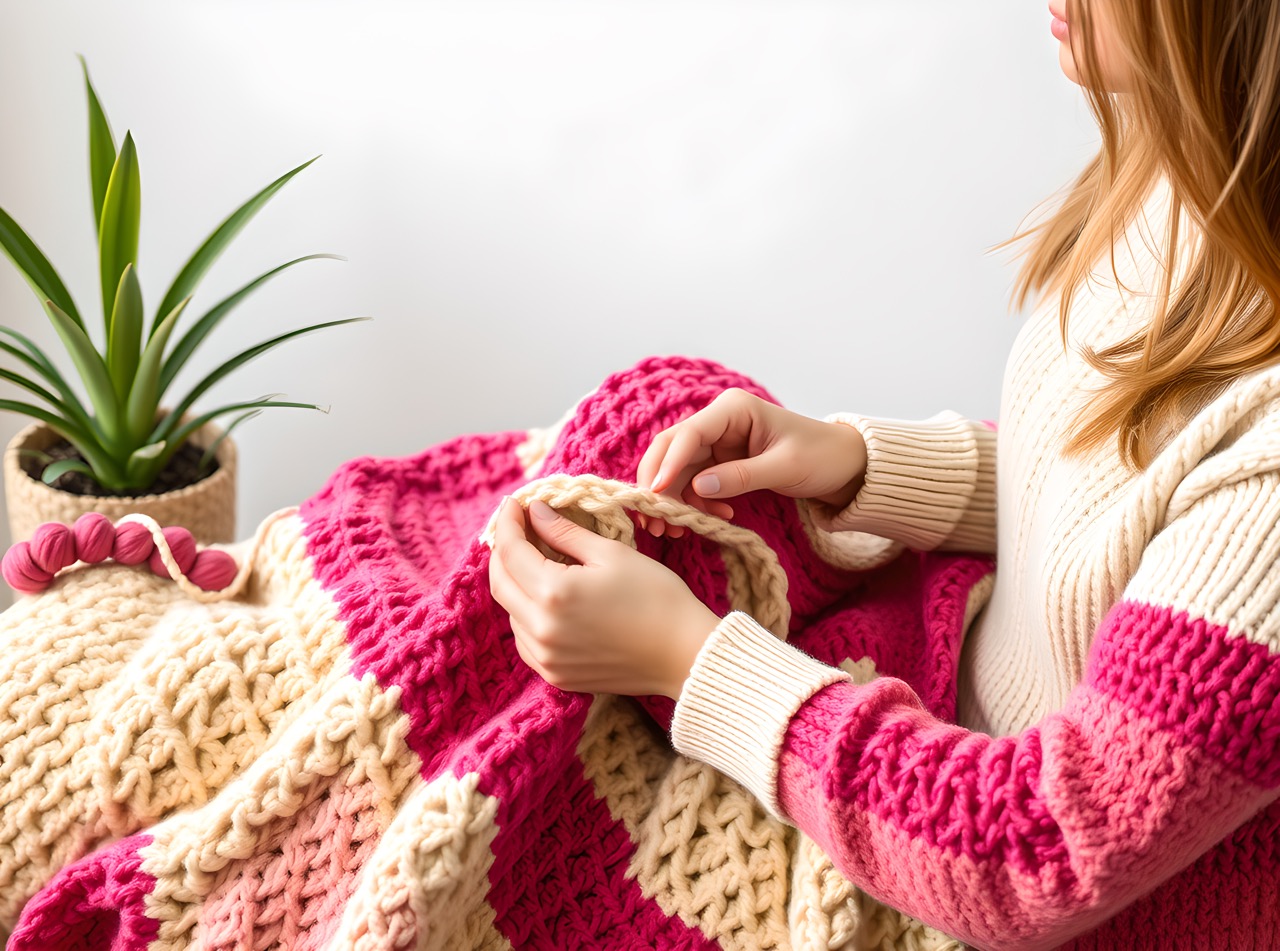
Many crafts are built on repetition. Row after row of knitting, the steady motion of sanding, the repeated shaping of clay—these rhythmic movements can be deeply soothing. Like a mantra or mindful breathing, repetition helps regulate the nervous system. It creates a gentle internal cadence that calms the body and steadies the mind.
Meditation Through the Body
Crafting is a full-bodied experience. You feel textures, pressure, resistance, temperature, and movement. This sensory engagement keeps you anchored in the present moment, much like body-based meditation practices. Instead of getting lost in thought, you stay connected to what your hands are doing and what your body is feeling right now.
Processing Without Words
Not all experiences need to be analyzed or explained. Crafting provides a non-verbal way to process emotions and stress. Choices in color, pace, and pressure often reflect inner states without conscious effort. Similarly, meditation allows thoughts and feelings to arise and pass without judgment or storytelling. Both offer space for emotional release without overthinking.
When Time Fades Away
Have you ever looked up from a project and realized hours have passed? This sense of time dissolving is a hallmark of meditative absorption. When crafting, the mind enters a state of flow—fully immersed, unhurried, and spacious. The usual mental clock fades into the background.
Learning Acceptance Over Perfection
Mistakes are inevitable in crafting. A dropped stitch, a crooked cut, a smudged line. Crafting teaches flexibility: adjust, repair, or incorporate the imperfection. This mirrors a core lesson of meditation—acknowledging what is, responding with patience, and continuing without harsh self-judgment.
Stillness vs. Making
Traditional meditation cultivates presence through stillness. Crafting cultivates presence through movement and creation. One turns awareness inward; the other expresses it outward. Yet both practices train the same essential skill: being fully here.
A Different Doorway to Mindfulness
If sitting meditation feels inaccessible or difficult, crafting can be a welcoming alternative. It offers mindfulness with purpose, calm with creativity, and presence with tangible results. In the end, it’s not about how meditation looks—it’s about how it feels. And sometimes, that feeling is found not in silence, but in the quiet rhythm of making something with your hands.